
Remote work has radically changed the way graphic designers work, collaborate, and communicate. Classrooms used to depend on the use of face-to-face brainstorming, whiteboards, and real-time feedback. In the current day, designers are utilizing digital collaboration platforms, such as Figma, Miro, and Slack, to fill that gap. The change has not only redefined the process of creative work but has also increased cooperation across geographical borders. The collaboration between a designer in Dubai and a client in New York or a developer in Berlin is now easily achieved. The outcome is a closer and more eclectic creative world in which ideas are being disseminated more quickly, liberated, and enhanced by the world’s point of view.
Minimalism Redefined: Practical meets Direction
Minimalism has never been a new movement in design, but the distant past has taken it in a different direction. Clarity and purpose have been made the basis of any design decision as people spend more time online. Designers are currently eliminating superfluous visual clutter to emphasize functional storytelling. It is not about clean lines or dull colors anymore, but about creating digital experiences that are easily communicated across all screens. Be it a site or an application on our phones or a virtual show, being simple nowadays is identical to being efficient, a manifestation of our work and life in remote conditions.
The Emergence of Human-Centered Design
With screens playing the central role in our communication with the world, empathy assumed a central position in the design. Telecommuting has infiltrated the boundaries between personal and professional worlds, and individuals are demanding authenticity and emotional engagement in imagery. The designers are reacting to it by adding warmth, inclusivity, and relatability to their work. Examples are less graphic, photography is more natural, and the color scheme is selected to make people feel comfortable and trusted. This tendency is an indicator of a more significant change in the philosophy of design, which cherishes the role of the human connection in the same measure as visual interest.
Designing the Hybrid World
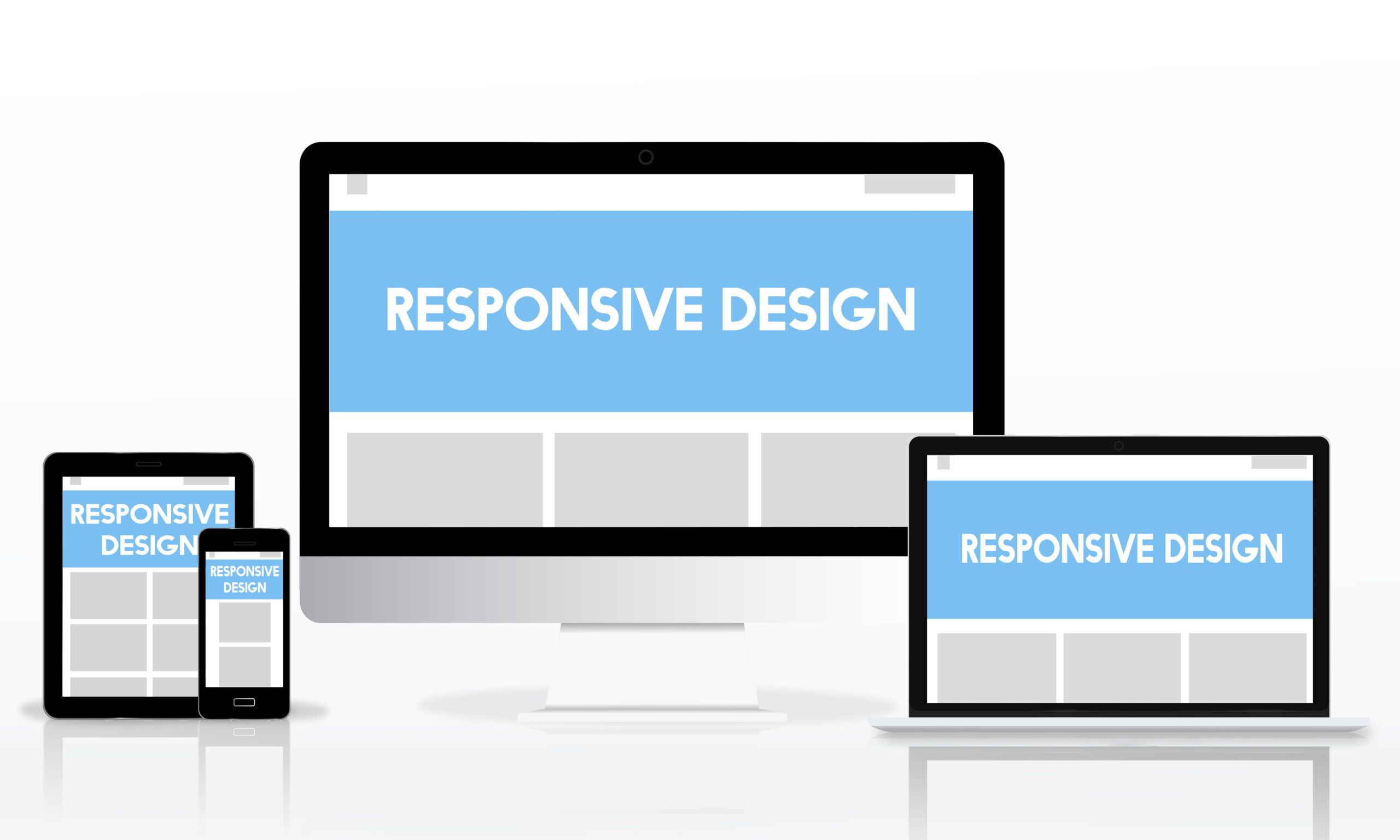
Working remotely has necessitated flexibility. Designs must now be able to work across platforms, i.e, laptops and tablets, but also smartphones and even smart TVs. It focuses on the formation of interchangeable visual networks that are consistent yet introduce flexibility to a range of digital settings. Responsive designs, variable typeface, and building blocks of design have become commonplace. Such flexibility is crucial in making sure that brand identity does not weaken regardless of the location of its placement, the flexibility that has been symbolized by the modern hybrid work culture.
Colorful and Flamboyant Typography
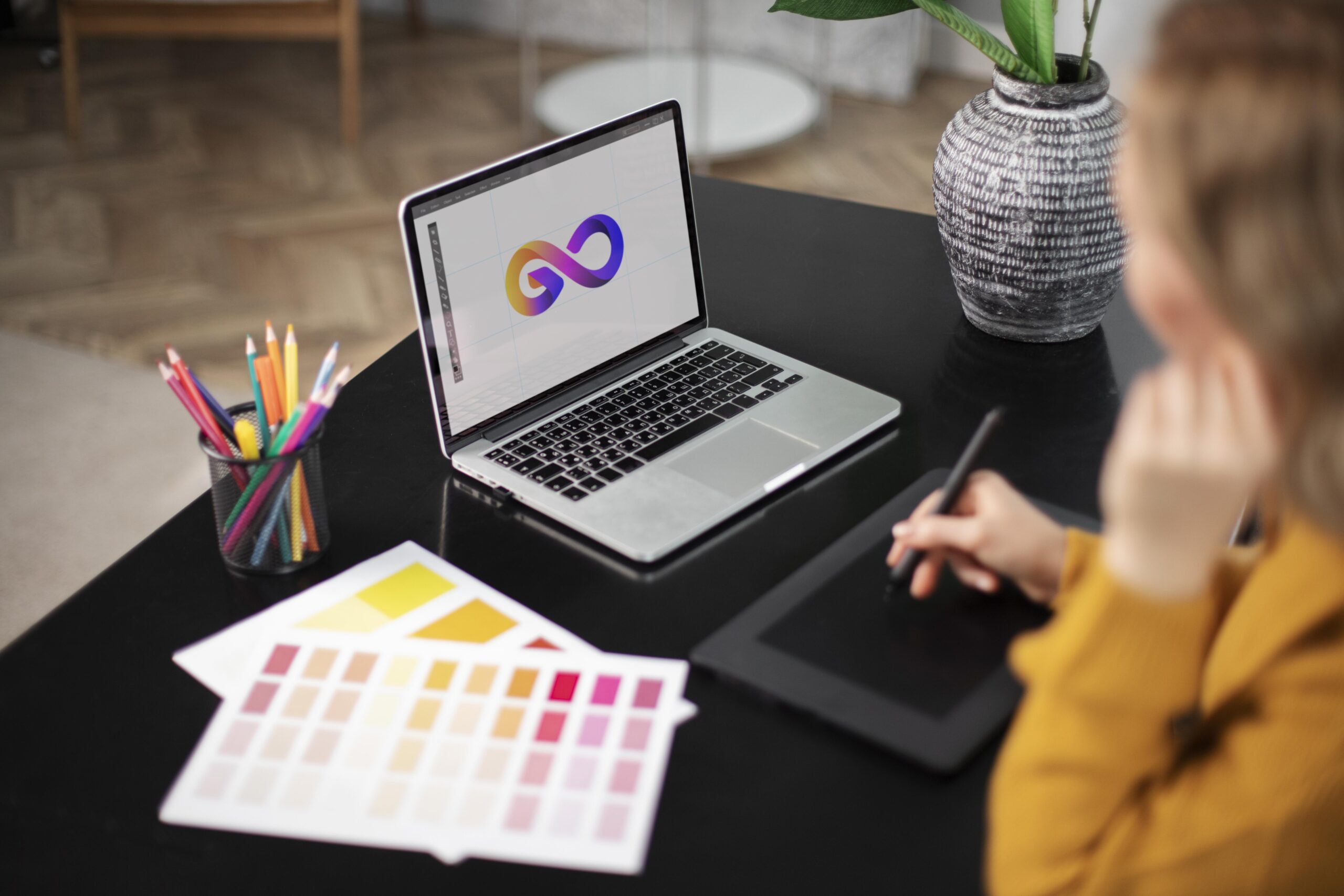
Although minimalism ends up focusing on restraint, there is a different movement in design that goes contrary to this one, or rather, expressive creativity. Telecommuting has nurtured personalism, and creators are experimenting with vivid hues, lively typefaces, and adventurous designs to avoid the uninspired. Such striking, colorful images can have an allusion to the power and liberty that can be created by remote work. A wide range of brands are abandoning corporate sameness in favor of designs that spread the message of uniqueness, innovation, and digital optimism.
Virtual Branding and Online Substance.
Even in a time when people cannot risk being in the same space physically, brands are trying to dedicate much to their online personas. The main means through which a company expresses its personality, values, and credibility nowadays on the Internet is through graphic design. One of the potential sources of long-term impact is that social media graphics, as well as virtual event backdrops, are all digital touchpoints. Branders and marketers are developing virtual, three-dimensional experiences that simulate the relationship that previously existed between physical contacts. Emphasis has been diverted from print design towards digital-first branding that is authentic, consistent, and alive.
Social responsibility and Social creativity.
Remote employment has also made individuals more conscious of the environmental manifestation of the digital world. Designers are adopting the culture of sustainability—not just in the type of files they use, but also in their implementation of visual effects that are not essential. The aesthetics of sustainability have changed as well; organic textures, earthy colors, and natural shapes are starting to become the visual representations of responsibility and mindfulness. This green design movement is in keeping with a larger cultural movement toward conscious living and moral creativity.
The Digital Change in Creative Cooperation
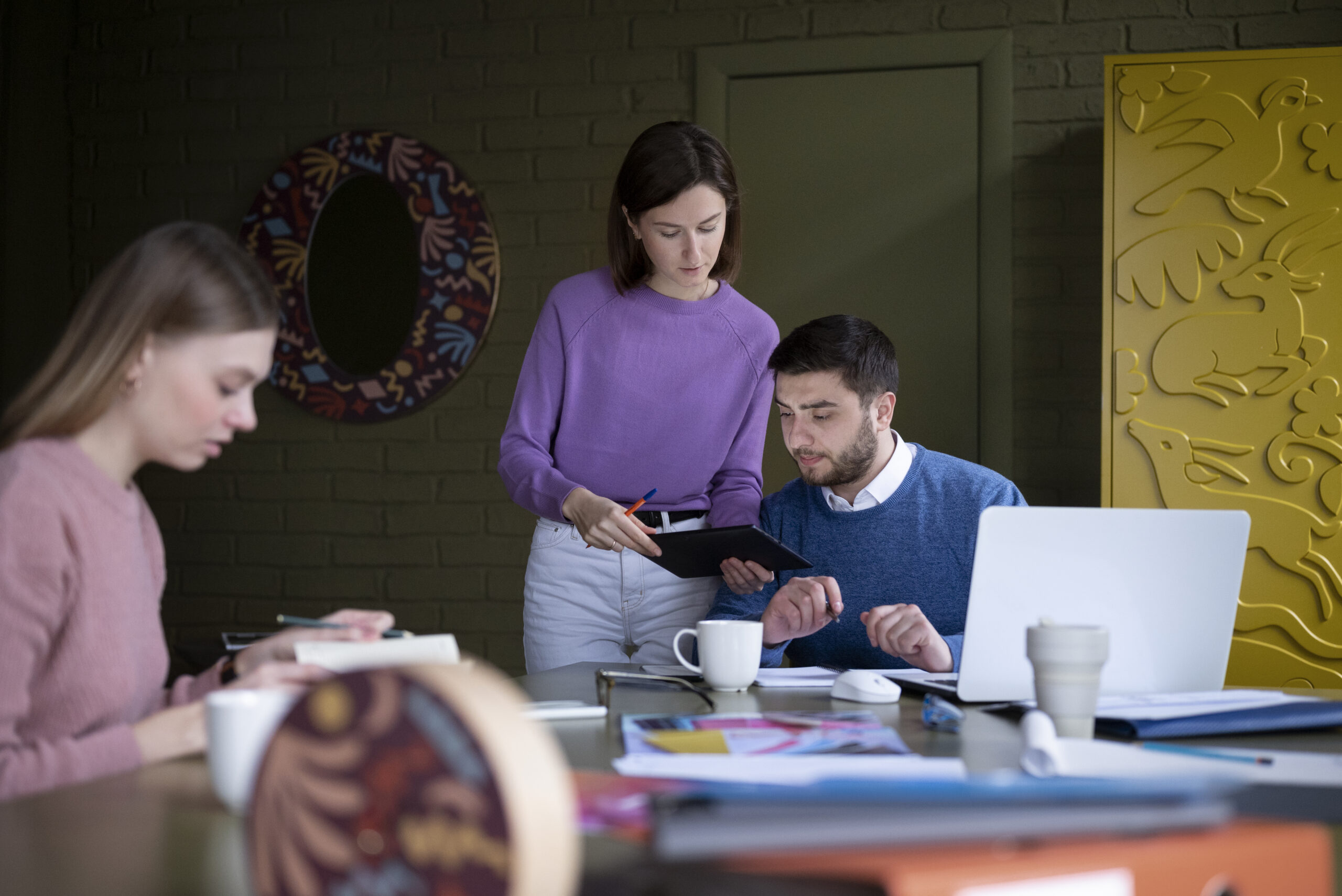
Remote work has radically altered the dynamics of the creation, collaboration, and communication of graphic designers. The days of the conventional studio were based on face-to-face brainstorming, the use of whiteboards, and instantaneous feedback. Nowadays, designers are going with digital collaboration tools, such as Figma, Miro, and Slack, to fill that gap. Not only has this change redefined the working process of creativity, but it has also broadened cooperation across geographical boundaries. The co-creation process between a designer in Dubai and a client in New York, or a developer in Berlin, is now effortless. What this will create is a more networked and diversified creative economy in which ideas spread quickly, develop more liberally, and are enhanced with a global outlook.
Minimalism Redecoded: Beefcake and Dullness
Minimalism has never left design out; however, the distant past has led it to a new dimension. As people are spending more time on the internet, clarity and intent have become the cornerstone of any design decision. Designers are currently depriving themselves of the needless visual noise in order to concentrate on practical narratives. The aesthetic does not simply mean clean lines or softened colors anymore, but rather making the digital experiences that cut across all screens and communicate. It is simplicity, whether it is a site, an app on the phone, or a virtual presentation, which nowadays is synonymous with efficiency, a manifestation of the way we live and work at home.
The Emergence of Human-Centered Design
With the screens replacing most interactions with the world, empathy became a primary design focus. Remote work has blurred personal and professional boundaries, leading individuals to desire authenticity and emotionality in visual content. Designers are reacting by bringing warmth, inclusivity, and relatability to their designs. Illustrations are softer, photography is more candid, and the palette of colors is used to make one feel comfortable and trusting. This tendency is an indication of an even more radical turn in design thinking—that is, design thinking that places as much importance on the human touch as it does on aesthetic attractiveness.
The Future of Design in an Omnimedia World.
The graphic design development under remote work is not merely about the style but also its content, humanity, and flexibility. Physical studios or conventional hierarchies no longer limit designers. They belong to a decentralised, worldwide creative movement that cherishes flexibility, group interaction, and design with a cause. Remote work is bound to have a lasting influence on the ways we relate and communicate, and graphic design will keep changing as a living language that will reflect our shifting world.

Recent Comments