



The digital world of the modern era is fast-paced and dictates the success of a website not only by the quality of its content, but also by the innovation of its product. Although these are certainly crucial factors, the experience and interaction of users on a platform are equally important. At this point, the UX (User Experience) and UI (User Interface) design principles come into play, and the digital journey is shaped in such a manner that it has a direct effect on whether the visitor remains or not. Bounce rates and engagement metrics are not merely figures on an analytics dashboard, but a reflection of the ability of a website to engage and redirect its traffic. When done right, a UX/UI strategy will make a site more than just another internet destination; it will be the place users identify with.
The importance of UX/UI Design
Competitiveness in the digital world is now more than ever. Users are over-adopted with millions of sites and applications that are competing to capture their attention. Patience is not found in this world. When a site is confusing, slow to load, or unattractive, the majority of visitors will not hesitate to leave it and go to a rival. Bounce rates increase rapidly when users are frustrated, overwhelmed, or otherwise unimpressed with what they are viewing. On the other hand, an easy-going interface and simple user experience will make a person want to learn more. It is the core of UX/UI to eliminate friction and make digital interactions engaging, natural, and rewarding.
First Impression and Physical Aestheticism
Studies have consistently revealed that users create perceptions about websites within seconds. They unconsciously assess the appearance and the tactile experience of the interface even before they have laid their eyes and fingers on a headline or a button. The clean layouts, even colors, modern typography, and proper use of images all play a role in making a user see a site as professional and trustworthy. Quite on the contrary, crowded pages, inconsistent design, or old-fashioned graphics indicate insufficient attention and reliability. First impressions are important since they determine the level of trust and attention a visitor is ready to offer. Good UI design catches the eye immediately, whereas UX makes sure that this eye-catching is converted to a longer time of engagement.
Navigation as an Element of Engagement
A well-designed website will not work well at all when people cannot locate their requirements. One of the major causes of high bounce rate is poor navigation. When the menu is impossible to use, links fail, or important details are obscured in the menu, frustrations send users away. A considerable UX plan also structures content in coherent manners, foresees user requirements, and gets visitors to a destination without extra expenditure. The ability to have sticky navigation bars, categorization, and links in context gives the impression of a flow that keeps the user interested. Smooth navigation does not only relate to functionality, but also to building a digital space where users feel like they are in control and will want to do more of it.
Psychology of Interaction
Involvement is not just a functionality issue but also an emotional one. The UX/UI design is based on the psychological principles that influence the behavior of users. Simple feedback, like animations when clicking a button or little hints when an action is performed, which are considered micro-interactions, are reassuring and pleasing. These minor design details make the user feel that the platform is living and breathing, making them more satisfied and willing to remain. Likewise, the positioning of calls-to-action, information priority, and even the spacing between the information elements all have an impact on decision-making. Good design is virtually invisible, so much so that it can be used to convert the users into further involvement without making the process seem like any work.
Mobility and Current Expectations
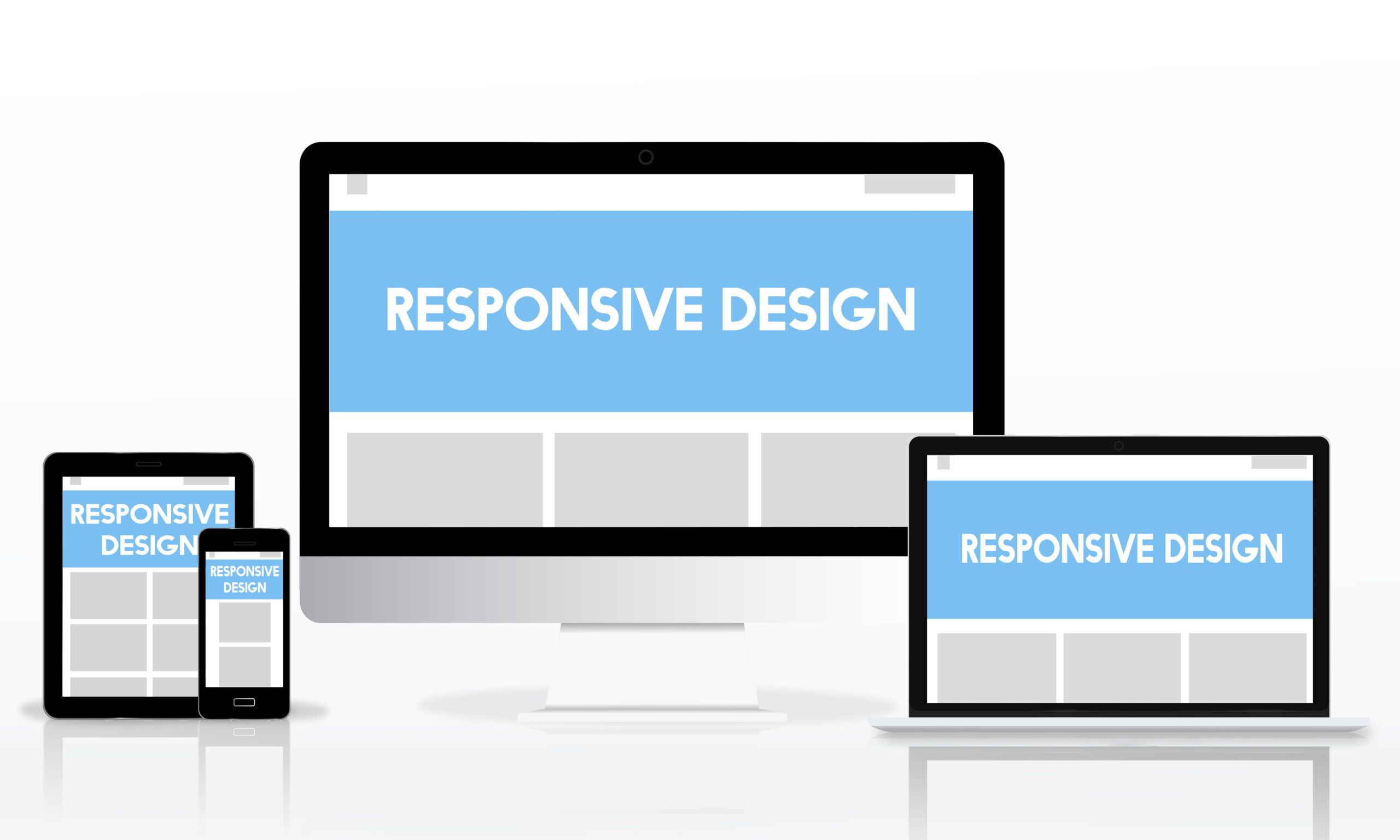
In a world where mobile-based applications are the norm, a site that fails to scale smoothly against varying screen resolutions is at a very high disadvantage. The expectation of the users is that they should have the same degree of smooth interaction regardless of whether they are using a desktop or tablet, or smartphone to browse. The result of a bad mobile experience is an immediate abandonment that will skyrocket the bounce rate. Reactive UI design guarantees uniformity between devices, whereas the UX factor takes into consideration the need to conduct touch navigation, readability on smaller screens, and high loading rates. It is no longer a choice to meet these expectations and, therefore, a necessity to keep users in a mobile-first world.
The Performance and Speed
Even a perfect design will not help in overcoming the impatience of people using modern internet when a site loads slowly. There is always research indicating that the bounce rates can soar even after a few seconds of delay. At this point, UX/UI designers are significant contributors, not only in aesthetics, but also in streamlining the digital experience performance. The use of design options such as image compression, simple designs, and optimized coding are all factors that make the load time faster. Speed perception is also important; the wait may be reduced through the presence of skeleton screens or loading effects of some kind, which help the user understand that something is going on. The elements of performance and design work together in creating user interaction.
Availability and Access
An effective UX/UI strategy should be able to acknowledge the fact that users are part of different backgrounds and they have different capabilities. The accessibility of design is meant to make everybody, the visitor, feel
accessible. This incorporates factors like legible font sizes, enough color contrast, support with screen readers, and alternatives to text with images. Inclusive design not only expands the audience but also shows that a brand cares about the users. When individuals feel that a platform has been created to meet their needs, chances are high that they will be willing to stay and come back in the future. Accessibility is not only a technical issue, but it is also a fundamental element of trust, and minimizing bounce rates as if your website can be easily accessed, it is one of the foremost important things that allow users to stay and show their interest in your product or service.
Summary: Design: a Road to Loyalty.
The UX/UI is the silent hand that will lead the user through the online experience in a way that interactions are seamless and significant at each stage. From the first sight impressions all the way to the long-term devotion, design influences the attitude of individuals towards a brand and their willingness to come back. In a digital world with too many options, it is those who invest in outstanding design that people will listen to, gain trust, and succeed in the long term.

Recent Comments